




The excitement of starting a new construction project—whether it’s a dream kitchen remodel or building a custom home from the ground up—is often accompanied by one major anxiety: the budget. We hear it constantly from clients: “How much will this really cost?”
While your initial quote covers the obvious labor and materials, construction is a complex process with many moving parts. Often, it’s the expenses you don’t see coming that blow the budget. At [Your Company Name], we believe in total financial transparency. Here are five common hidden costs and tips on how to prepare for them.
1. The “Site Prep” Surprises
What lies beneath the surface is often the biggest wildcard in construction. Your quote might cover digging a standard foundation, but it likely doesn’t cover excavating giant boulders, remediating poor soil quality, or rerouting unexpected utility lines found during the dig.
Tip: Always ensure your contractor includes a “exploratory” phase in the schedule, and keep a healthy contingency fund (we recommend 15-20%) for whatever the ground might reveal.

2. Permitting and Impact Fees
Most homeowners know they need building permits. What they don’t realize is how expensive and time-consuming obtaining them can be. Beyond standard building permits, your municipality might charge “impact fees” for new construction, meant to offset the strain on local infrastructure like roads and schools.
Tip: Ask your contractor if their service includes handling the permitting process. An experienced local firm will know the specific municipality costs and timelines to build into your estimate.
3. The “While You’re At It” Change Orders
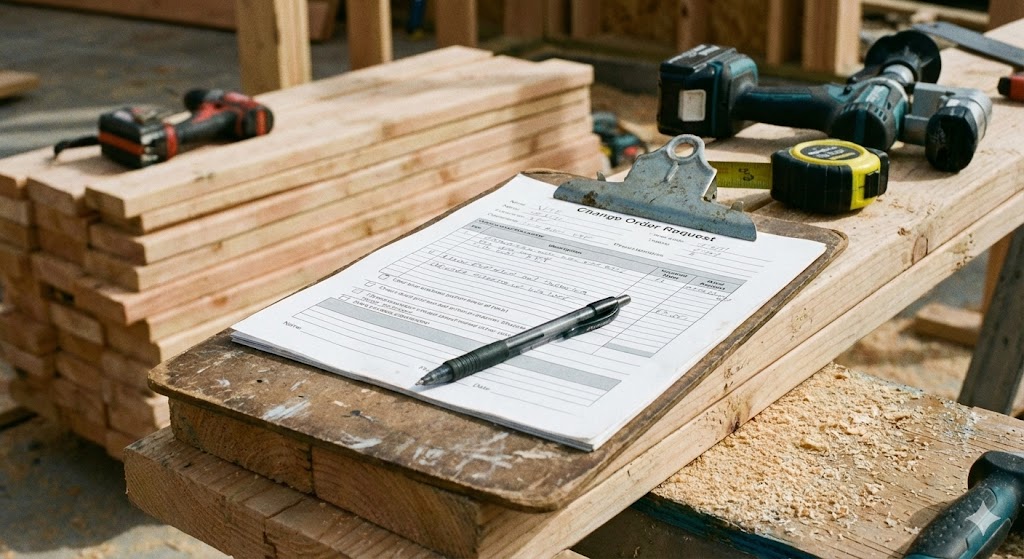
This is the most common budget-buster, and it usually comes from the homeowner. Once the walls are open, you might decide you want an extra outlet, a better grade of insulation, or a slightly larger window. These seem small, but the labor and material costs add up rapidly in formal “Change Orders.”
Tip: Spend more time in the design phase. The more detailed your initial plan, the fewer changes you’ll make during construction.
4. Material Price Volatility and Delays
If the last few years have taught us anything, it’s that material supply chains can be fragile. The price of lumber or copper today might be vastly different three months from now when you are ready to build. Furthermore, if a specific tile you chose is backordered for six weeks, it can stall the entire project, increasing labor overhead.
Tip: Work with a contractor who has strong vendor relationships and orders long-lead items early in the process to lock in pricing.
5. The Finishing Touches
Construction quotes often cover the structure, but sometimes exclude the final elements that make a house a home. Things like cabinet hardware, specific light fixtures, bathroom accessories, and landscaping are sometimes designated as “owner-supplied” or given low allowances that don’t match your taste.
Tip: Review your “allowances” carefully. Ensure the allotted budget for fixtures matches the quality level you expect in the final product.
Conclusion
The key to a successful build isn’t just a great design; it’s realistic financial planning. By anticipating these hidden costs, you can enjoy the process rather than stressing over the bottom line. If you’re looking for a partner who prioritizes transparent pricing and thorough planning, contact [Your Company Name] today for a consultation.